

The Bliss Theatre
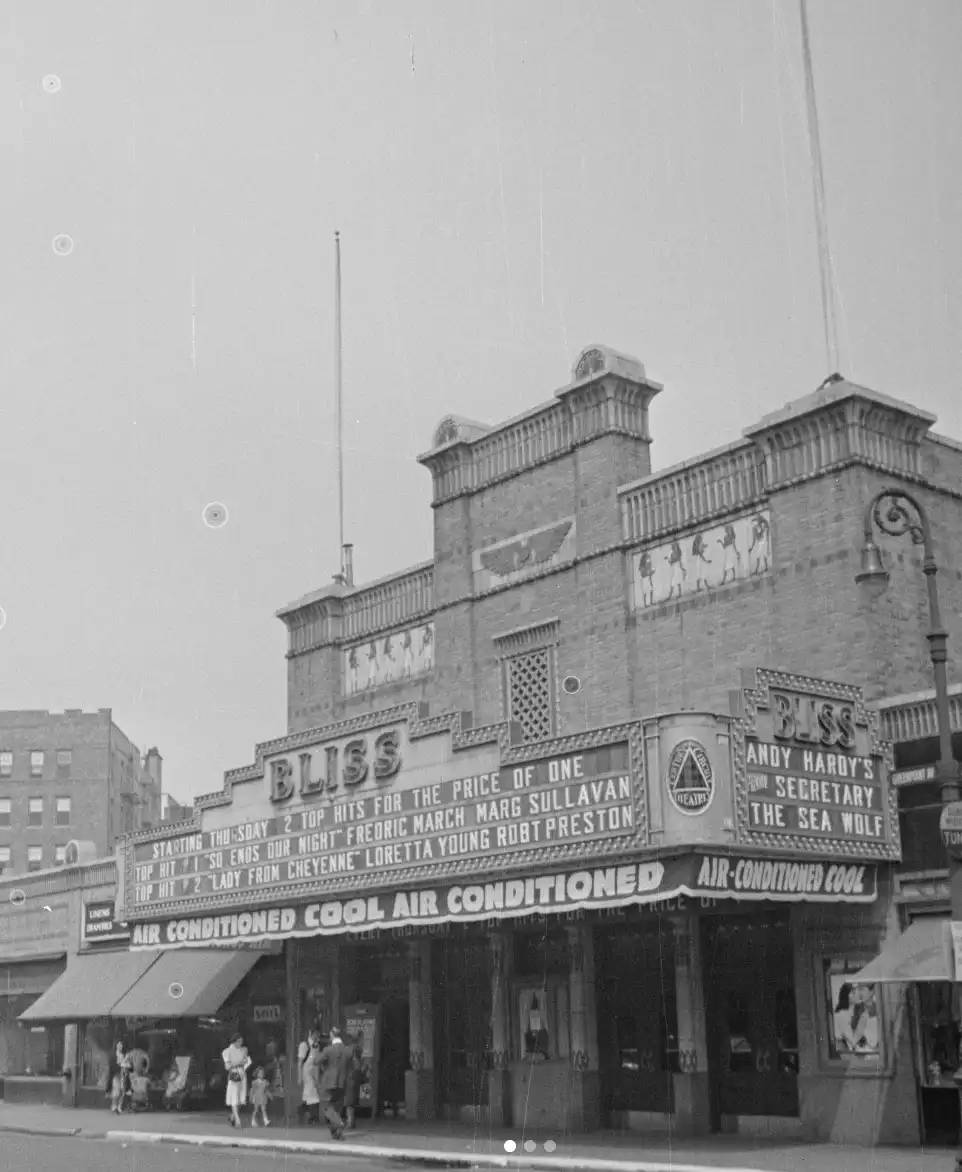
The Former Bliss Theatre in Sunnyside: A Historic Landmark, a New Development, and a Neighborhood at a Crossroads
At 44-17 Greenpoint Avenue, Sunnyside is facing a familiar New York City question: How do we make room for the future without losing the history that makes a neighborhood special?
For nearly a century, the former Bliss Theatre has been part of Sunnyside’s streetscape. Once an Egyptian inspired movie palace, the building is now at the center of a proposed residential and mixed use redevelopment that could bring new housing, retail, and community arts space to the neighborhood.
The project represents an opportunity for growth, but it also raises important questions about preservation, affordability, and the character of the community. For anyone considering buying property in Sunnyside, understanding this transformation offers a valuable look at where the neighborhood may be headed.
The History Behind the Bliss Theatre
Located at 44-17 Greenpoint Avenue, the Bliss Theatre opened on December 27, 1930. Built by Century Theatres, it accommodated approximately 2,002 movie goers, making it a significant entertainment destination for the surrounding community.
The theater was named after Neziah Bliss, an influential 19th century industrialist and one of the founding figures associated with the development of Long Island City and the surrounding area.
Architects R. Thomas Short and William Rau designed the theater with an Egyptian inspired aesthetic, reflecting the popularity of Egyptian Revival architecture during the period. It’s decorative elements, including Egyptian motifs, ornate detailing, and an elaborate facade, distinguished it from an ordinary neighborhood cinema.
The Bliss was more than a place to watch a movie. During an era when television was not yet a household staple, neighborhood theaters were important social destinations. Families, couples, and friends gathered there for entertainment, making these venues an integral part of everyday urban life.
By the 1960s, the theater had closed. Around 1965, the property transitioned to use by Jehovah’s Witnesses as an Assembly Hall. Over time, much of its original interior decoration was altered or removed, although the building continued to retain elements of it’s architectural identity.
For additional historical photographs and architectural information, see Cinema Treasures’ history of the Bliss Theatre.
Historical details at a glance
| Feature | Historical information |
|---|---|
| Original opening | December 27, 1930 |
| Original capacity | Approximately 2,002 seats |
| Theater operator | Century Theatres |
| Architects | R. Thomas Short and William Rau |
| Architectural style | Egyptian-inspired design |
| Original namesake | Neziah Bliss |
| Later use | Jehovah’s Witnesses Assembly Hall |
Why Is the Bliss Theatre Being Redeveloped?
The property’s future became increasingly uncertain as preservation advocates pushed to protect the theater’s architectural and cultural significance.
In April 2024, Queens Community Board 2 formally supported a request for the New York City Landmarks Preservation Commission to evaluate the Bliss Theatre for individual landmark designation. The board described it as a rare surviving example of an Egyptian Revival style Art Deco movie palace, emphasizing it’s distinctive facade and historical importance.
However, preservation efforts did not ultimately prevent redevelopment.
Developer ZD Jasper Realty acquired the property in 2024 and subsequently advanced plans to replace the former theater with a new residential and mixed-use building.
The proposal calls for an approximately 11 story development containing roughly 143 apartments, including approximately 36 to 42 income restricted units, along with ground floor commercial and community facility space.
The project has evolved through the city’s public review process. Queens Community Board 2 issued a conditional favorable recommendation in September 2026, requesting additional commitments regarding affordable arts programming and the preservation or display of salvaged theater elements.
The City Planning Commission held a public hearing on October 28, 2026. As of November 21, the application remains in the public review process, with further review and City Council consideration still ahead.
The developer’s project information page provides additional details.
Proposed development overview
| Component | Current proposal |
|---|---|
| Developer | ZD Jasper Realty |
| Building height | Approximately 11 stories |
| Residential units | Approximately 143 |
| Income-restricted housing | Approximately 36 – 42 apartments |
| Ground floor | Commercial and community facility space |
| Arts component | Proposed community arts space |
| Planning status | Public review |
What Will Sunnyside Gain From the New Development?
There are meaningful potential benefits to the redevelopment, particularly in a city where housing availability and affordability remain major concerns.
Adding approximately 143 apartments could introduce more housing opportunities into an established Queens neighborhood. The ground floor commercial component could also create opportunities for new businesses and contribute to activity along Greenpoint Avenue.
Another important element is the proposed community arts space. Following discussions with Queens Community Board 2’s Arts and Cultural Affairs Committee, the developer agreed to provide a 2,700 square foot flexible arts space, with a stage, seating, bathrooms, and accessibility features. The arrangement and long-term operation of this space remain important considerations.
If implemented successfully, these additions could help create a more active mixed use environment while providing resources for local residents and artists.
Potential benefits and considerations
| Potential benefit | What it could mean for Sunnyside |
|---|---|
| Additional housing | More residential options and housing supply |
| Income-restricted apartments | Opportunities for eligible households |
| Ground-floor retail | Additional commercial activity |
| Community arts space | A dedicated venue for cultural programming |
| New construction | Modern building systems and contemporary residential amenities |
What Is Being Lost? The Importance of Preserving Sunnyside’s Identity
While the proposed development offers potential benefits, the loss of the Bliss Theatre is not insignificant.
The theater was one of the neighborhood’s recognizable architectural features. It’s Egyptian inspired facade represented a period of New York City’s history when elaborate movie palaces were built as destinations in their own right.
Replacing it with a modern residential building means losing a physical connection to that era. Even though much of the original interior had already been altered, the building’s exterior continued to tell a story about Sunnyside’s development and its cultural past.
There is also a broader concern about what happens when historic gathering spaces disappear. A neighborhood is not defined exclusively by it’s housing stock, restaurants, or transportation. It’s identity is also shaped by the places where generations of residents have gathered, celebrated, and created memories.
The proposed arts space and incorporation of salvaged architectural elements are important steps toward acknowledging that history. However, displaying pieces of an old theater is not quite the same as preserving the building itself.
The challenge will be ensuring that the new development respects the cultural significance of the property rather than simply replacing one use with another.
What Does This Mean for Sunnyside Real Estate?
For buyers and homeowners, the redevelopment of 44-17 Greenpoint Avenue is part of a larger conversation about Sunnyside’s continued evolution.
Sunnyside has long attracted residents looking for a balance between neighborhood convenience and access to Manhattan. It’s transportation connections, established commercial corridors, residential architecture, and recognizable neighborhood atmosphere have helped maintain its appeal.
New development can introduce additional housing choices and modern amenities, while investment in commercial spaces can contribute to the neighborhood’s continued growth.
However, buyers should be careful not to assume that every new development automatically increases surrounding property values. Real estate performance depends on several factors, including property type, condition, location, pricing, supply, and demand.
Factors worth considering when purchasing in Sunnyside
There are also opportunities for buyers who understand the differences between individual blocks. A property closer to Greenpoint Avenue may offer a different experience from one on a quieter residential street. Proximity to transportation, building amenities, maintenance costs, and future construction should all factor into a purchasing decision.
The advantages and trade-offs of buying near an evolving development
| Potential advantages | Potential drawbacks |
|---|---|
| Access to improving commercial amenities | Construction noise and temporary disruption |
| A growing residential population | Increased competition for parking and services |
| More modern neighborhood amenities | Possible changes to neighborhood character |
| Long term investment in the surrounding area | Uncertainty around future development timelines |
Sunnyside’s Future: Growth Without Forgetting It’s Past
The story of 44-17 Greenpoint Avenue is ultimately about more than a redevelopment proposal. It is about the decisions that shape a neighborhood for generations.
The new development could bring much needed housing, additional commercial activity, and a dedicated arts space to Sunnyside. At the same time, the disappearance of the Bliss Theatre marks the loss of an architectural and cultural landmark that helped define the neighborhood for nearly a century.
Both realities deserve consideration.
As Sunnyside continues to evolve, the goal should not simply be to build more, but to build thoughtfully. New housing and investment can strengthen a community, but preserving its history, supporting local culture, and maintaining the qualities that make it distinctive are equally important.
For prospective buyers, this is an opportunity to look more closely at what Sunnyside offers today and what it’s future may hold. For existing homeowners, it is a reminder that neighborhood changes can influence the way people experience and value their surroundings.
Who Is The Bianca Colasuonno Team and Why Does Local Experience Matter?
Understanding a neighborhood’s development requires more than following new construction announcements. It requires an understanding of the buildings, residents, property values, and market forces that shape the area.
That is where The Bianca Colasuonno Team at Compass brings valuable experience.
Led by Bianca Colasuonno, an established Queens real estate agent who began her career in 2002, the team has spent nearly 25 years helping buyers, sellers, and investors navigate the borough’s real estate market. Bianca was also a founding Compass agent in Queens in 2018.
The team’s experience spans co-ops, condominiums, single family homes, multifamily properties, and new developments.
It’s accomplishments include:
| Achievement | Recognition |
|---|---|
| Closed sales volume | More than $1 billion |
| 2026 RealTrends ranking | #1 Team in Astoria |
| Queens ranking | #2 Team in Queens by sales volume |
| New York State ranking | #20 Medium Team by sides |
| 2025 production | $100.05 million in sales volume |
| 2025 transactions | 124 closed transaction sides |
| Compass recognition | #1 Compass Team in Queens, 2018 – 2025 |
These rankings are reflected in the team’s Compass professional profile and RealTrends Verified rankings.
What makes neighborhood knowledge particularly valuable is the ability to look beyond a property’s asking price. Understanding building financials, comparable sales, zoning changes, local development proposals, and the differences between individual blocks can help buyers make more informed decisions.
For sellers, that same knowledge can help determine how a property’s location, condition, and surrounding developments should be reflected in its pricing and marketing strategy.
At The Bianca Colasuonno Team, understanding these changes is an essential part of helping clients make informed real estate decisions. Whether buying a first home, selling an existing property, or evaluating an investment opportunity, having a knowledgeable local team can make all the difference.
Because the best real estate decisions aren’t just about finding the right property. They’re about understanding the neighborhood you’re choosing to be part of.